Restaurant Digital Signage Benefits and Implementation Guide
Learn how restaurant digital signage boosts sales improves guest experience and streamlines operations with real time updates and design tips.
Why Restaurants Need Digital Signage
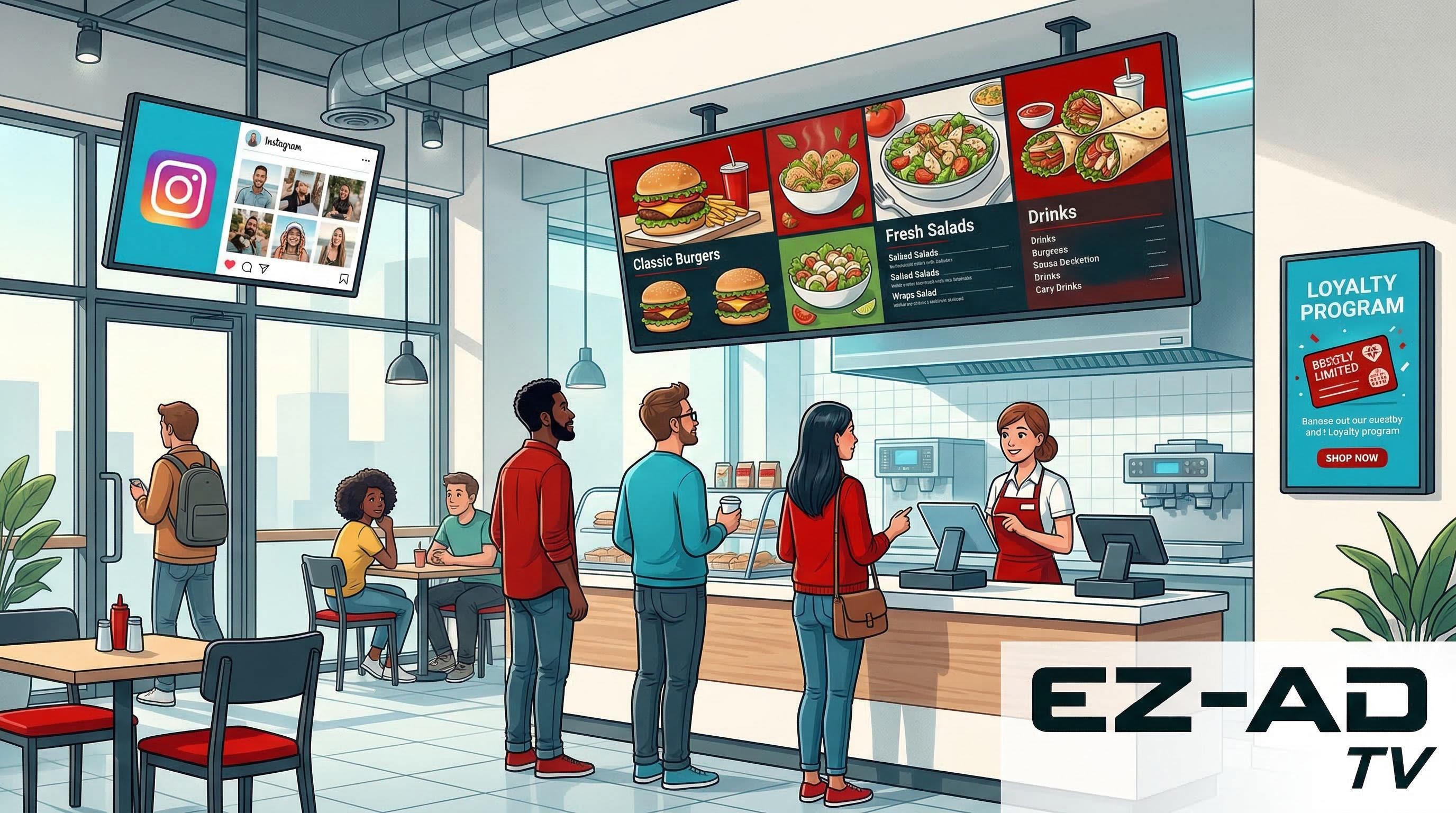
Walking into a newer restaurant, bright screens pop with flashy deals and colorful images. Those glowing displays grab attention right away. A quick glance tells you they’re shaping what you might order. Flashy menus light up walls, pulling focus without saying a word. Technology slips into view, quietly steering decisions.
A single tap switches what's shown now. That dusty board stays stuck in yesterday while bright screens adapt fast.
Meals move fast now - menus stuck in place feel out of step. What you see needs to flow like the day does.
Folks skipping meals at places stuck in the past might wander off toward spots with screens that actually move. Restaurants slow to change could find their doors quieter than those flashing something fresh.
Dynamic Displays Offer Flexibility And Real Time Updates
Imagine changing what's on display right when people are looking - swap out a mid-afternoon drink offer for something sweet by dinner, all without needing fresh paper signs later that day.
Fresh savings come through less need for reprints when changes happen often. Old versions pile up less, shrinking trash buildup fast.
Second dynamic content grabs attention better than static signage because motion and color stimulate the senses.
Third you can integrate menu boards with point of sale data to show best sellers and suggest upsells based on what’s selling fast that day.
One study from 2023 found restaurants listing prices on display boards tend to collect more per sale - about 12 percent higher. That jump shows up across different types of food spots using visible pricing instead of verbal only. While not every place tracks it closely, the pattern holds where data exists. Seeing choices laid out seems to shape what people pick, maybe because visuals help decisions stick. Even small changes like font size or color can quietly influence orders without guests realizing.
Eighteen percent higher - that's what customer engagement jumps to when stores link digital signs with reminders to join a rewards plan, according to the same review.
Outcomes like these aren’t noise - they show up clearly, right there on owner dashboards. Real results stay visible, easy to follow over time without guesswork. Numbers stick around because people check them regularly. What you see is what happened, nothing added, nothing hidden behind flair.
A screen makes sense now because paper menus just can’t keep up. Switching helps when things change fast. Information updates smoothly without reprinting everything. Mistakes disappear quicker than before. Customers see fresh details right away instead of old versions. Clarity grows when displays replace pages. Daily shifts become simpler this way. Staff spend less time adjusting physical sheets. Accuracy improves across the board automatically. Menus adapt instantly whenever needed.
AND THAT’S WHY YOU SHOULD CONSIDER REPLACING EVERY PAPER MENU WITH A SCREEN TODAY.
Choosing the Right System
When shopping for a digital signage solution you need to think about screen size durability and software ease of use.
A system that requires a full IT team to manage will drain resources faster than a plug and play option that lets a manager upload a new image from a tablet.
Look for platforms that support cloud based content scheduling so you can make changes from anywhere even when you’re on the road.
Another factor is integration capability.
The best solutions talk to your point of sale and inventory systems so the menu can automatically hide items that are out of stock.
This prevents the embarrassment of serving a dish that the kitchen can’t fulfill and keeps the guest experience smooth.
Integrating With Point Of Sale
Seamless integration means the screen can pull real time sales data and adjust pricing or highlight specials that are moving slowly.
For example if a particular pasta isn’t selling you can flash a discount badge on the screen and watch orders climb.
Conversely if a steak is flying off the grill you can showcase it prominently to capitalize on the buzz.
Integration also enables loyalty program reminders.
A familiar face at the table gets a warm hello tailored just for them, then spots how close they are to earning a sweet treat while dinner warms up. The screen shows it all without asking.
A small human detail keeps customers returning, strengthening their connection to the brand.
Real world success stories
Austin's city-center eatery traded out several chalk signs, put up one bigger screen instead. Right away, food orders at midday climbed by quite a bit that first four weeks.
A sudden change in supply? No problem. Bright pop of color highlights today’s special. Menu shifts on its own when ingredients go missing. Owner says it just works that way.
From one neighborhood to another, screens inside these cafés show matching visuals at the same moment. Each location runs the same feed, yet swaps in clips featuring its own baked treats now and then. Messages stay consistent citywide, but corners of the display shift based on where you are. Screens talk to each other behind the scenes, making timing tight and presentation smooth. Even with coordination, no shop feels exactly like the next. Local flavor slips into the loop without breaking rhythm.
That chain saw its average ticket climb by 9 percent. Social chatter grew louder, too, since people enjoy posting those bold, colorful images online. A bigger spend per visit showed up just as more voices spread the word across platforms.
Proof sits in plain sight. Restaurant screens work because they pull customers toward choices without pressure. Results show more sales happen when menus shift digitally. Efficiency climbs since updates take seconds, not hours. Real gains come from timing, clarity, fewer mistakes. This isn’t flash - it sticks because it functions.
Future Trends
Soon, restaurants might install screens where people tap what they want instead of telling a worker. These displays respond when touched, making it easier to adjust meals right there. Picking extras or skipping ingredients happens by tapping icons shown on the screen. Each choice appears instantly so users see changes live. Menus shift based on time of day without needing updates from staff. Orders send straight to the kitchen once confirmed. Mistakes drop because details go through digitally. Guests stay in control until they finish. This method feels more private than speaking aloud at busy counters.
Soon, screens might respond when someone speaks - just say what you need to know about ingredients or allergies, no menu touching required. A voice could pull up hidden details while hands stay free. Talking to the display may replace flipping through pages. Words out loud might trigger facts fast. No touch needed if sound does the work. Listening devices could reveal meal contents before a single tap happens.
Soon, artificial intelligence will study how things sell, then quietly propose food arrangements aimed at boosting earnings.
Picture this: a setup notices one particular pairing moves faster when rain hits, so it quietly pushes that option whenever gray skies roll into the forecast.
THE FUTURE OF DINING IS BEING SHAPED BY VISUAL TECHNOLOGY AND THOSE WHO ADOPT IT FIRST WILL LEAD THE MARKET.
Getting Started
Start small by installing a single screen in the ordering area and track the impact on sales and customer feedback.
Use the data to justify expanding to the kitchen and bar areas.
Remember that content quality matters more than quantity so invest in professional photography and clear messaging.
Finally don’t forget to train staff on how to update the system and troubleshoot basic issues.
A well trained team can keep the screens running smoothly and ensure the technology enhances the guest experience rather than becoming a distraction.
Design Tips for Effective Screens
When designing screen content think about hierarchy contrast and readability.
Use large fonts for headlines and keep the most important items at eye level.
Colors should reflect your brand but also stand out against the background.
Avoid clutter by limiting the amount of text on each slide and let high quality images do the talking.
Animation should be subtle not overwhelming.
A slow fade in works better than a rapid flash that can distract diners.
Include clear calls to action such as order now or ask your server for a recommendation.
This guides the guest journey without being pushy.
A well planned restaurant digital signage layout can turn a waiting area into a marketing hub that entertains guests and drives sales at the same time.
Measuring ROI and Performance
To know if your investment is paying off track key metrics like average ticket size conversion rate from screen impressions and customer dwell time near the display.
Most platforms provide dashboards that show how many times a video was viewed and which items generated the most clicks.
Compare the data before and after installing the screens to see the impact on sales.
In many cases owners report a break even point within three months thanks to higher order values and reduced printing costs.
Don’t forget to gather guest feedback through short surveys displayed on the screen.
A simple thumbs up or down question can reveal whether the content resonates and where improvements are needed.
Common Mistakes to Avoid
One common mistake is overloading the screen with too many promotions at once which can overwhelm the guest and dilute the message.
Keep the focus narrow and rotate offers regularly.
Another pitfall is neglecting to update the content when menu items change.
Outdated information can lead to frustration and lost sales.
Set a schedule to review the screens weekly.
Finally avoid using low resolution images that appear pixelated from a distance.
Invest in professional photography or high quality stock visuals to maintain a polished look.
Technology Options
There are several hardware choices ranging from commercial grade LED panels to Android based smart TVs.
LED panels offer brightness for bright environments while smart TVs are cost effective for indoor dining areas.
Choose a device with a warranty and support plan to minimize downtime.
Software platforms vary from simple image rotators to full featured content management systems with analytics and remote scheduling.
If you need basic daily specials a basic scheduler may suffice but for multi location chains a robust CMS will save time and ensure brand consistency.
Implementation Checklist
Start by defining your goals whether it’s increasing average check size boosting brand awareness or reducing paper waste.
Next map out where screens will be placed for maximum visibility such as the entrance host stand and the bar area.
Then select hardware that fits the environment and install mounting hardware securely.
After that configure the software upload your first set of content and test the playback on site.
Finally train staff launch publicly and monitor performance.
Final Thoughts
Digital signage is no longer a novelty it is a core component of modern restaurant strategy.
By embracing visual technology you can engage guests inspire higher spend and streamline operations all while staying ahead of the competition.
DON’T WAIT FOR THE NEXT TREND TO PASS YOU BY INVEST IN RESTAURANT DIGITAL SIGNAGE TODAY.
Remember that technology evolves but the core principle remains the same: clear communication leads to satisfied customers and higher profits.
Keep experimenting with seasonal themes and limited time offers to keep the experience fresh and encourage repeat visits.
Frequently Asked Questions
How can menu boards improve customer engagement?
By showing vibrant images and real time updates that catch the eye and encourage guests to explore more items
What are the best ways to integrate digital signage with point of sale for real time updates?
Choose a platform that syncs sales data and automatically hides out of stock items while promoting high margin dishes